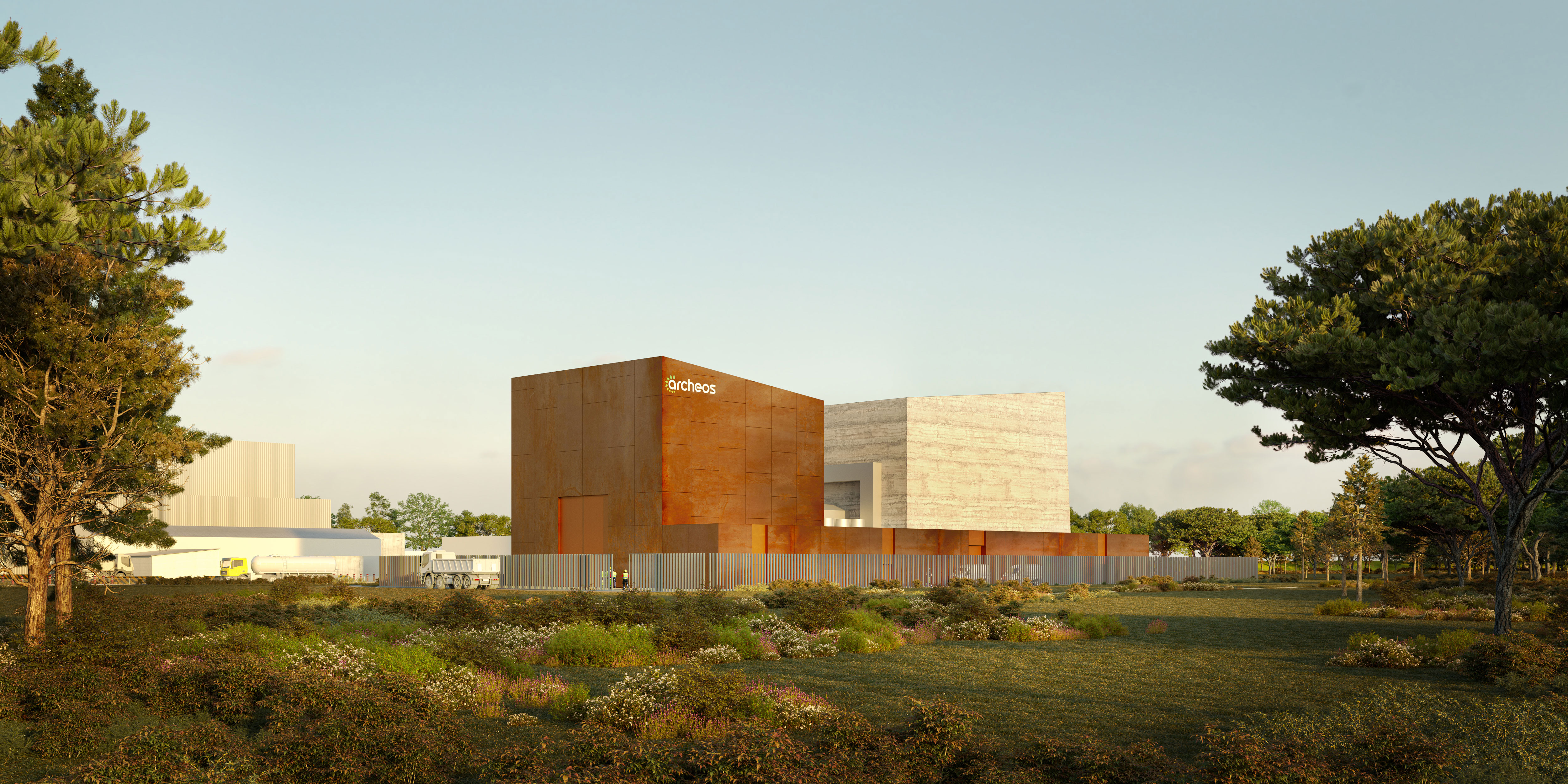
Decarbonizing industrial heat: a priority need for industry
Decarbonizing industry is a priority challenge at national and international level. Indeed, the food-processing, chemical and paper ecosystems need stable, competitive heat at temperature levels below 200 degrees. This heat is today mainly of fossil origin and non-sovereign. Industrial decarbonization is no longer an option: it is an economic and environmental necessity and a genuine sovereignty challenge.
Reinventing industrial heat
With more than 50 industrial sites identified as eligible, ARCHEOS establishes itself as a concrete response to the energy needs of the most heat-intensive sectors. Many industrial sectors can thus benefit from low-carbon, local and sustainable energy.
Food processing
Paper industry
Polymers
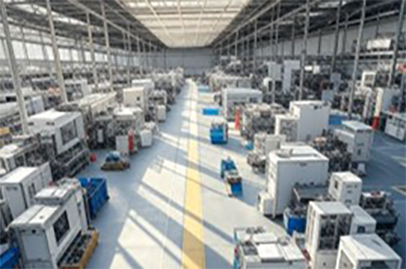
Bioplastics
Thanks to its flexibility, this technology can adapt to two types of customers:
A single industrial player
wishing to use 100 % of the production
A cluster of industrial players
wishing to share a common production
New markets
SMRs such as ARCHEOS, due to their energy versatility, represent a promising technology to decarbonize other areas, in particular hydrogen production, water desalination, CO2 capture and urban heating networks. Their compact size, modularity and ability to provide reliable, low-carbon energy make them particularly suited to these applications.
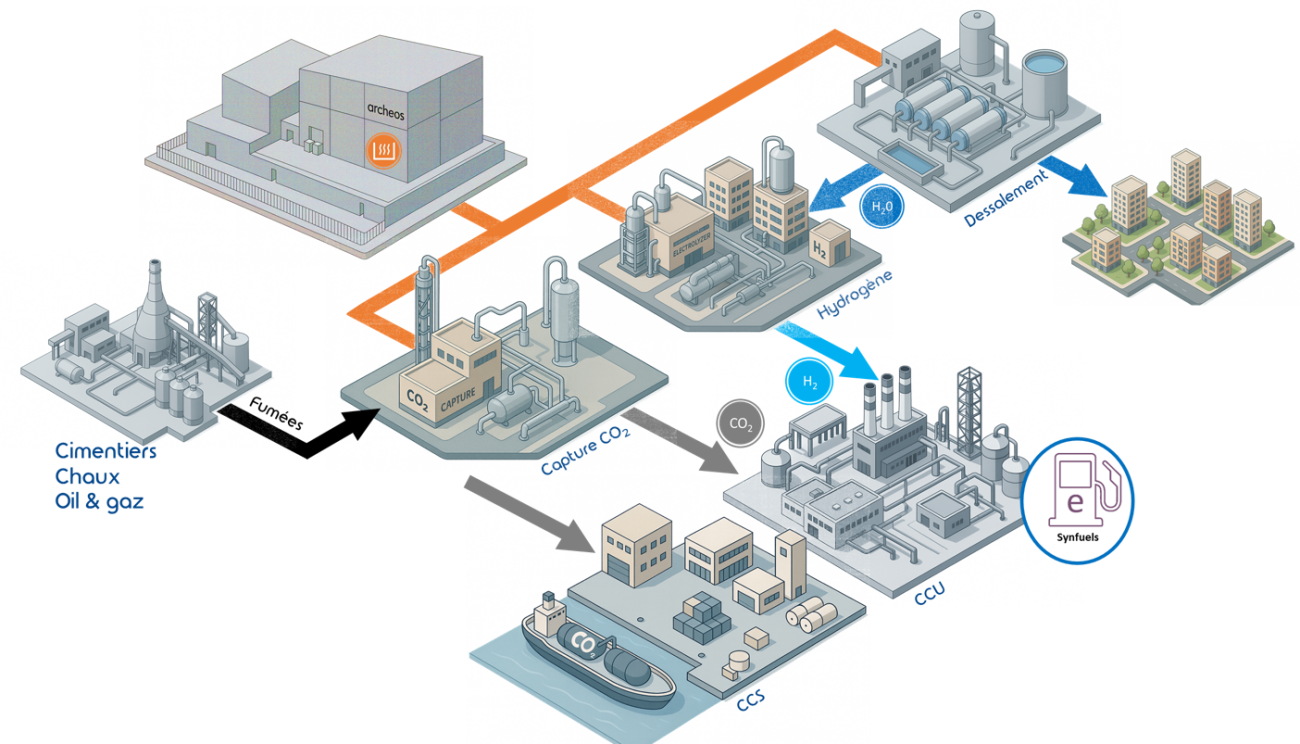
CO2 capture
ARCHEOS could supply carbon capture and storage (CCS) facilities or integrate direct capture and utilization (CCU) technologies into industrial processes.
Hydrogen production
ARCHEOS could offer a safe and sustainable solution for hydrogen production, essential to the transition towards a low-carbon economy.
Water desalination
ARCHEOS could supply water desalination plants, thus offering a sustainable solution to the global issue of water scarcity.

Bringing a new nuclear player to the fore to decarbonize industrial heat
The ARCHEOS project is part of an ambitious sector contract. The European Union and France actively support the development of thermal SMRs. Two major French companies wished to leverage their historical nuclear and conventional expertise to co-develop this certified and adaptable solution: the CEA, for development and experimental support, and NUVIA for design, construction and operation. This marks a strong commitment to structuring the industrial SMR sector, reducing the carbon footprint of industrial players and ensuring France’s energy sovereignty. ARCHEOS aims for commissioning at the beginning of the 2030s and the development of 10 reactors by 2040 at European scale.